Fix
Coffee grinder not working: causes and fixes
Published
Note: This page contains affiliate links. If you buy through them we may earn a commission at no extra cost to you. Learn more
In short
If a coffee grinder will not start, check the plug, the hopper and lid interlocks and any thermal cut out first. If it hums but does not grind, the burrs are usually jammed with a stone, oily beans or packed grounds: unplug it, empty it and clear the burrs. Clumping and mess are usually static or a clogged chute. A burning smell means stop using it and seek a repair.
Products for this job
Compare all 7 productsBaratza Sette 270: 30 steps plus stepless micro
Check price on AmazonAffiliate linkMiiCoffee DF64 II: 64 mm flat burrs, single dose
Check price on AmazonAffiliate linkSage Smart Grinder Pro: 60 settings, LCD
Check price on AmazonAffiliate link
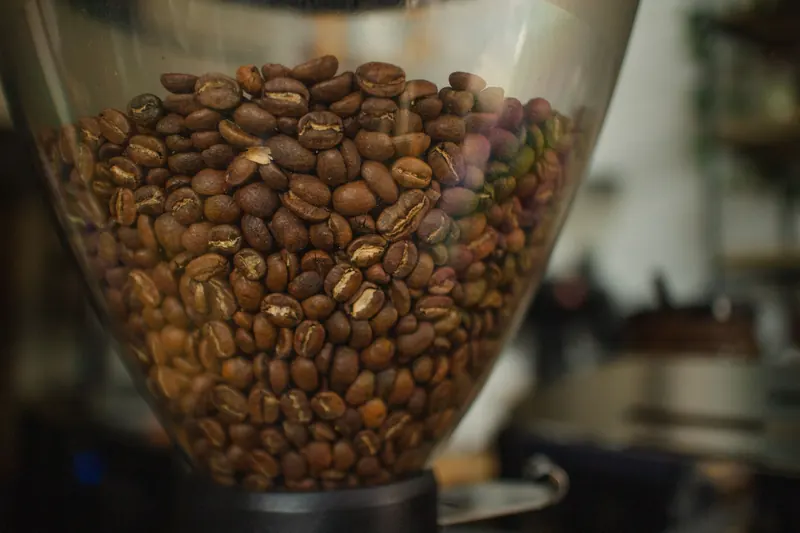
Most burr grinders are simple machines: a motor turns one burr against another, with a few safety switches in between. When one stops, the cause is usually one of those switches, a blockage, or a setting. That covers popular standalone grinders from Sage, De'Longhi, Baratza and others, and the principles carry over to grinders built into machines. Start with the quick checks below before assuming the motor has gone. Unplug the grinder before you put fingers or tools near the burrs.
It will not start at all
Begin with the basics: the socket, the fuse in the plug and any power switch on the back or base. Then check the safety interlocks. Many grinders will not run unless the bean hopper is locked in place, and some need the lid or the grounds container fitted too. Remove and refit each one firmly until it clicks or lines up.
Grinders also have thermal cut outs that stop the motor if it gets too hot, for example after grinding several doses back to back. Leave it unplugged for half an hour to cool and try again. Some models have a reset button described in the manual.
| Check | What to do |
|---|---|
| Power | Try another socket, check the plug fuse |
| Hopper lock | Remove and relock until it clicks |
| Lid or container | Fit fully if your model needs it |
| Overheating | Unplug and cool for 30 minutes |
| Timer or dose setting | Make sure it is not set to zero |
It hums but does not grind
A hum with no grinding means the motor has power but cannot turn the burrs. A small stone, a very hard bean, a clump of oily beans or packed fine grounds can lock the burrs. Grinding very fine with the burrs nearly touching makes this more likely.
- 1
Switch off and unplug at once. Do not keep the motor straining.
- 2
Remove the hopper and tip out the beans.
- 3
Turn to the coarsest setting and remove the upper burr if the manual shows how.
- 4
Look for any stone or foreign object and remove it by hand.
- 5
Brush and vacuum both burrs and the chute.
- 6
Refit, set a medium grind and test with a few beans.
Note:Burrs are sharp and a motor can start if a switch is pressed. Always unplug before clearing a jam.
Static, clumping and a clogged chute
Ground coffee picks up static as it passes through the burrs, so it can cling to the chute and spray out in a mess. Dry beans and low humidity make it worse. A widely used tip is to add a single drop of water to the beans and stir before grinding, sometimes called the Ross droplet technique. Check your manual first, as a few makers advise against it.
Clumps and slow output often point to a chute packed with fines. Brush it out, or use a wooden stick, and run cleaning pellets through monthly. Our guide to how to clean a coffee grinder covers the full routine.
Signs of a worn or burnt out motor
If the grinder stays silent with all interlocks fitted and power present, or smells of burning, or hums and stalls even with clean, clear burrs, the motor or its electronics may have failed. Grinding very large amounts in one go, or forcing frozen or very oily beans through at the finest setting, can shorten motor life.
Stop using it and contact the maker or a repairer. Do not open the motor housing yourself. If you are choosing a replacement, our best coffee grinders for espresso and best coffee grinders for filter guides cover options for each style. Our conical vs flat burr grinder explainer helps you choose a burr type.
Grinding but the coffee tastes off
A grinder can work and still cause problems in the cup. Worn burrs give an uneven grind with more fine dust and boulders, so shots run unpredictably. Stale oils on the burrs make coffee taste flat or rancid. If you have recently changed beans, the grind may simply need adjusting. Our coffee grind size chart shows the right texture for each brew method.
Frequently asked questions
Why is my coffee grinder not working? Most often the hopper or lid is not locked, so the safety switch stops it, or the motor has cut out from heat. Refit the parts and let it cool.
Why does my grinder hum but not turn? The burrs are jammed. Unplug it, empty the hopper, remove the upper burr and clear any stones or packed grounds.
How do I stop static in my coffee grinder? A drop of water stirred into the beans before grinding helps on many grinders, and so does keeping the chute clean. Check the manual first.
Can I fix a burnt out grinder motor? It is a job for the maker or a repairer. A replacement motor may not be worth it on a cheaper grinder.
What you need
- Check price on AmazonAffiliate link
Baratza Sette 270: 30 steps plus stepless micro
- Check price on AmazonAffiliate link
Fellow Ode: 64 mm flat burrs, auto stop
From: Best coffee grinders for filter, pour-over and French press
- Check price on AmazonAffiliate link
Sage Barista Express Impress: guided dosing and tamping