Guide
Which coffee machine should I buy
Published
Note: This page contains affiliate links. If you buy through them we may earn a commission at no extra cost to you. Learn more
In short
If you want café style drinks at the touch of a button, buy a bean-to-cup machine. If you enjoy the craft and want the most control over taste, buy a manual espresso machine, ideally with a built-in grinder to start. If you mostly drink black coffee, a filter machine or pour-over is simpler. Your drinks, your morning time and your worktop space decide the rest.
Products for this job
Compare all 7 productsPhilips 5500 LatteGo: 20 hot and iced drinks
Check price on AmazonAffiliate linkDe'Longhi Magnifica Evo Next: 13 drinks, 3 profiles
Check price on AmazonAffiliate linkSiemens EQ700: 5" touch display and app control
Check price on AmazonAffiliate link
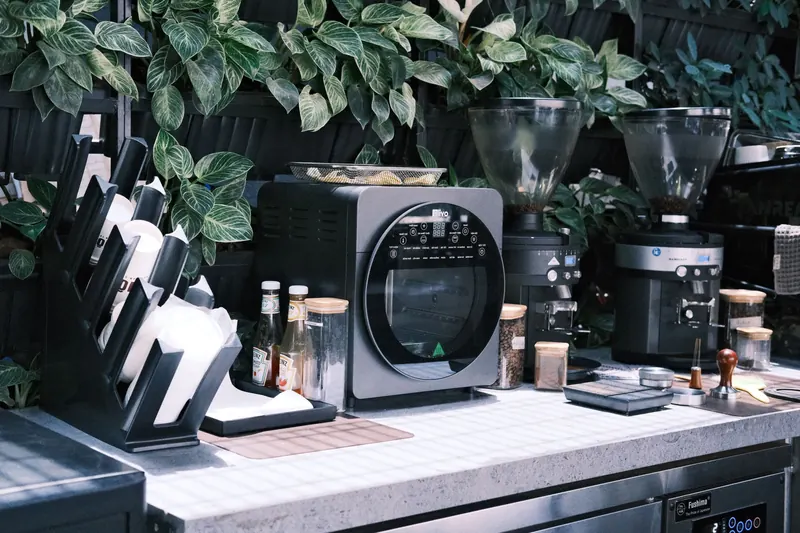
Home coffee machines range from simple filter brewers to large automatic machines that grind, brew and froth milk on their own. They all make good coffee in the right hands, but they suit very different people. Instead of starting with brands, start with four questions: what you drink, how much time you have in the morning, how much space you have, and whether you enjoy the process or just want the result. The answers point clearly to one type of machine.
Question 1: what do you drink?
Espresso based drinks, such as flat whites, lattes and cappuccinos, need either an espresso machine or a bean-to-cup machine. Both make espresso under pressure and both can steam milk. If you mostly drink a mug of black coffee, an espresso machine is more than you need: a filter machine, cafetière or pour-over gives great results with less cost and upkeep.
If you share the machine with family who all want different drinks, a bean-to-cup with saved profiles and one touch milk drinks keeps everyone happy. Two hopper models even let you switch between beans, for example decaf and regular.
Question 2: how much time do you have?
A bean-to-cup machine makes a latte in about a minute with one button, plus a short rinse of the milk system. A manual espresso machine takes longer: grinding, dosing, tamping, brewing and steaming milk take a few minutes per drink, and there is a learning curve over the first weeks.
If mornings are rushed and you want the same drink every day, automation wins. If you enjoy a weekend ritual and like to adjust each shot, a manual machine is more rewarding.
Question 3: how much space do you have?
Measure under your wall cupboards before you shop. Bean-to-cup machines are deep and need room to pull out the water tank and open the brew unit door. Manual espresso machines with a built-in grinder are wide and tall with the hopper on top. A separate grinder adds more width. Compact models exist for both types.
Our guide to the best small bean-to-cup coffee machines lists compact options, and the best espresso machines for beginners includes slimmer manual machines.
Question 4: do you enjoy tinkering?
This is the deciding question for many people. Manual espresso gives the best flavour potential, but only if you are willing to adjust grind size and dose, weigh your coffee and practise steaming milk. Bean-to-cup machines take most of that away, with consistent but less adjustable results.
There is a middle ground: espresso machines with automatic milk texturing, or assisted tamping, which keep the manual shot but take the guesswork out of milk.
| You want | Best type | Where to start |
|---|---|---|
| One touch lattes, little effort | Bean-to-cup with automatic milk | Best bean-to-cup with automatic milk |
| Best flavour, enjoy the craft | Manual espresso with grinder | Best espresso machine with grinder |
| Manual shots, easy milk | Espresso with automatic milk | Best espresso machine with automatic milk |
| Small kitchen, simple drinks | Compact bean-to-cup | Best small bean-to-cup |
| Several users, different drinks | Bean-to-cup with profiles or two hoppers | Best bean-to-cup with two hoppers |
Are coffee machines worth it?
For regular coffee drinkers, a home machine can cost less per cup than buying from a café, though the saving depends on your beans, milk and how often you buy out. Our cost per cup calculator lets you work out your own figures. Remember to allow for beans, cleaning tablets, descaler and water filters.
Ongoing care matters as much as the machine. All types need regular cleaning and descaling, more so in hard water areas. If you prefer to compare the two main types in detail, read bean-to-cup vs espresso machine and what is a bean-to-cup coffee machine. For how long you can expect a machine to last, see how long do coffee machines last.
Frequently asked questions
Which coffee machine is best for home? The best type depends on you. Bean-to-cup suits people who want convenience; manual espresso suits people who enjoy the process; filter suits black coffee drinkers.
Is bean-to-cup or espresso better for beginners? Bean-to-cup is easier from day one. A manual espresso machine takes a few weeks to learn but offers more control. Machines with a built-in grinder and clear guides shorten the learning curve.
Do I need a separate grinder for an espresso machine? Only if the machine has no grinder. Freshly ground beans make a big difference to espresso, so budget for a good espresso grinder with a machine that lacks one.
What size coffee machine do I need for an office? A small office usually needs a larger tank, a bigger bean hopper and fast milk drinks. See our best bean-to-cup for a small office guide.
What you need
- Check price on AmazonAffiliate link
Philips 5500 LatteGo: 20 hot and iced drinks
- Check price on AmazonAffiliate link
Ninja Luxe Premier: assisted tamper, scale and auto froth
- Check price on AmazonAffiliate link
Sage Barista Express Impress: guided dosing and tamping
- Check price on AmazonAffiliate link
Melitta SOLO & Milk: 20 cm wide with milk froth
From: Best small bean-to-cup coffee machines for compact kitchens